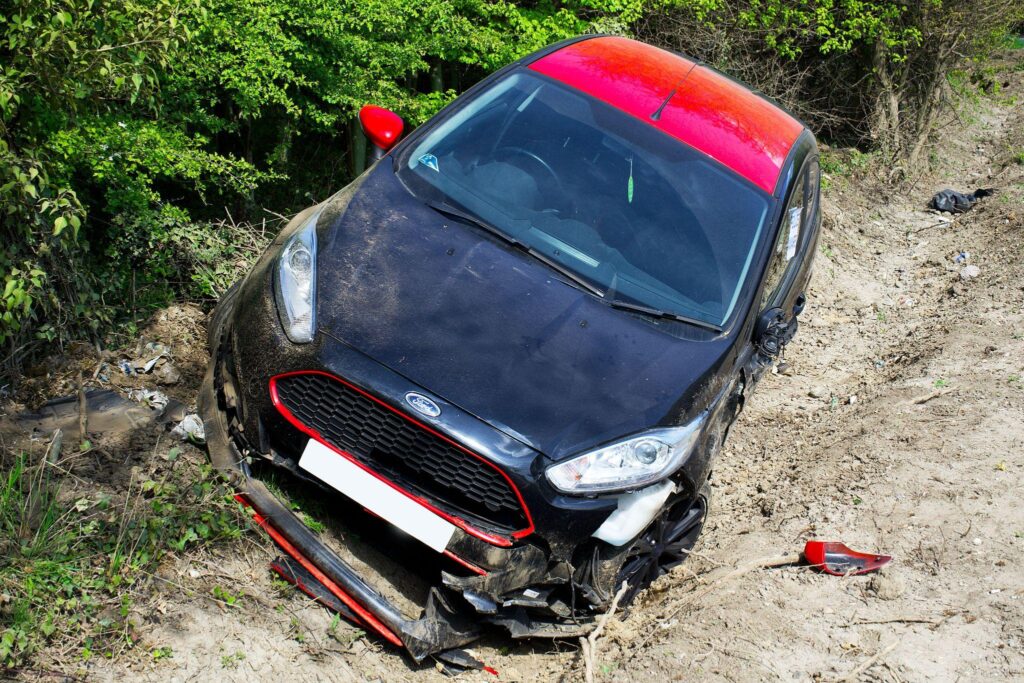
How Hit-and-Run Accident Claims Work and Why Victims Are Not Left Without Legal Recourse
One of the difficulties that a person who is injured in a hit-and-run accident will have to deal with is that the person who caused the injury may not be found. The failure to identify a driver does not imply a lack of a valid claim, and expert solicitors like Watermans handle hit-and-run claims through the legal process designed for just such situations.
The Motor Insurers Bureau and Its Role
The Motor Insurers Bureau (MIB) is an organisation established under an agreement between the government and the motor insurance industry to compensate victims of uninsured or untraced drivers. The claim is made under the MIB’s Untraced Drivers Agreement, not against an individual defendant or their insurance company, in a hit-and-run claim where the driver has not been identified. The Agreement outlines the criteria to be met for a claim to be considered and the compensation evaluation and payment process. That process requires specialist knowledge, which goes beyond the typical personal injury claims process.
The Conditions That Apply to Untraced Driver Claims
The MIB Untraced Drivers Agreement has some specific conditions attached to the claims that are not observed in a regular personal injury claim. The accident would have to have been reported to the police, usually within a specified time after the accident. The claimant will need to assist in any investigation and give a statutory declaration to support their account. The claim must be submitted to the MIB within the specified time limit. The specialist solicitor will ensure that these conditions are met properly and that any procedural failure does not affect an otherwise valid claim.
What Evidence Is Needed
The evidential process is particularly stressed in hit-and-run claims, as there is no defendant to serve, no insurer to disclose documents, and no opposing party to challenge the account of the incident. The claim is based on the claimant’s own account of the incident, together with any available CCTV or dashcam footage, witness evidence, and police investigation records. A specialist solicitor will immediately seek to establish and retain any available footage and will work with the police investigation to develop the evidential picture required by the MIB to consider the claim fairly.
Compensation Under the MIB Agreement
The heads of loss recoverable under the Untraced Drivers Agreement are similar to those in a traditional personal injury case: compensation for pain, suffering, and loss of amenity; past and future wage loss; medical and rehabilitation expenses; and care expenses. The assessment process is slightly different from litigation, as the MIB will investigate the case and the claimant’s solicitor will prepare it. The value a specialist hit-and-run solicitor brings is an understanding of how the MIB’s assessment process works and how best to present the claim in this context.
Why Early Instruction Is Particularly Important
The time-sensitive evidence-preservation steps that are important in any road accident claim are even more critical in a hit-and-run claim. CCTV video is easily overwritten. As the days go by, witnesses to a hit-and-run that stopped at the scene become harder to track down. The police investigation is most active immediately after the incident and may be the only source of information about the vehicle involved. An early-instructed solicitor can make the moves that will preserve the claim when it’s most likely to be preserved – before the evidential window closes.