The Science Behind Flavor Consistency in Disposable Devices
Flavor consistency isn’t something most people think about, but it plays a major role in how products are experienced. Whether it’s food, beverages, or vapor-based devices, users expect the same taste every time. That expectation relies on a mix of chemistry, material science, and controlled engineering. When consistency is off, even slightly, people notice right away.
In disposable devices, maintaining that consistency is especially challenging. Unlike reusable systems, these products are designed for a limited lifespan with no adjustments or refills. That means everything has to work correctly from the first use to the last. There’s no room for recalibration once the product leaves manufacturing.
Achieving this level of precision requires careful coordination between ingredients, device components, and environmental factors. Small variations in temperature, airflow, or liquid composition can all affect the outcome. Understanding how these variables interact helps explain why some devices deliver a more reliable experience than others.
How Flavor Compounds Behave Under Heat
Flavor in disposable devices starts with a blend of chemical compounds designed to produce specific taste profiles. These compounds react differently when exposed to heat, which is how vapor is generated. Some compounds are stable across a wide temperature range, while others can degrade or shift in intensity. That’s why temperature control plays such an important role in consistency.
The heating element inside a device must operate within a narrow range to preserve the intended flavor. If it runs too hot, certain notes may burn off or become harsh. If it runs too cool, the vapor may feel weak or incomplete. Manufacturers design devices to balance these factors so each puff remains as close as possible to the original formulation.
Product variations also reflect how different formulations respond to heat, which is why disposable vape flavors are often grouped by profiles that behave predictably under consistent temperature conditions. This isn’t about branding but about managing chemical stability across a wide range of flavor types. The goal is to ensure that what’s intended in formulation translates accurately during use.
The Role of Liquid Composition
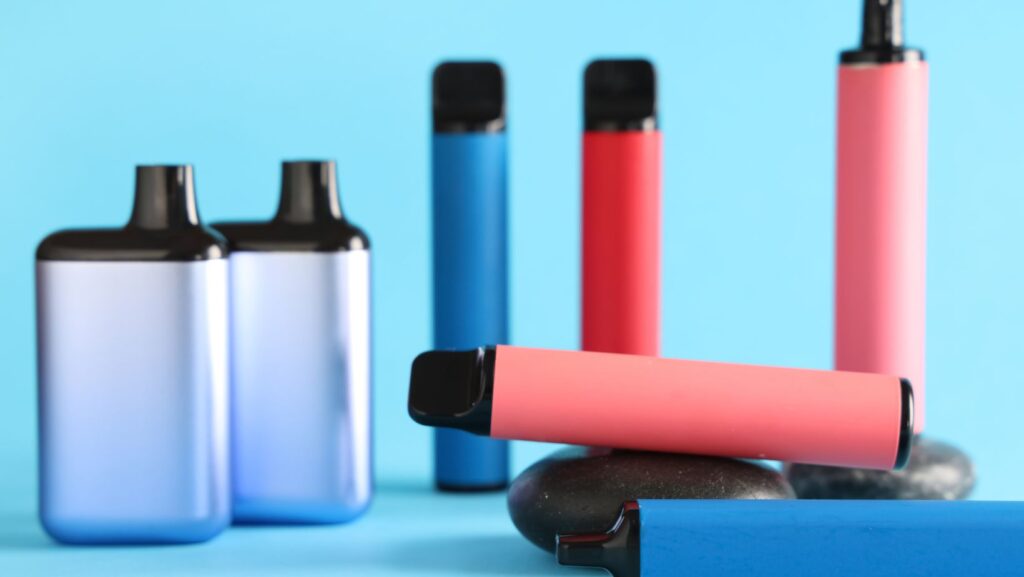
The liquid inside a disposable device is more than just flavoring. It’s a carefully balanced mixture of solvents, flavor compounds, and other ingredients that affect how vapor forms. The ratio of these components influences viscosity, absorption, and how evenly the liquid interacts with the heating element. Even small changes can lead to noticeable differences in performance.
Two of the most important properties in liquid formulation are thickness and volatility. Thicker liquids may produce denser vapor but can struggle to wick efficiently. Thinner liquids move more easily but may vaporize too quickly, leading to inconsistent output. Finding the right balance ensures that the device performs steadily from start to finish.
Key factors that influence liquid behavior include:
- The ratio of base solvents and how they affect viscosity
- The stability of flavor compounds under repeated heating
- How evenly the liquid saturates the internal wick material
- The interaction between liquid composition and airflow design
These elements work together to create a predictable system. When one variable shifts, it can throw off the entire balance. That’s why consistency begins at the formulation stage, long before the device is assembled.
Device Design and Internal Components
Beyond the liquid itself, the internal structure of a disposable device has a direct impact on flavor delivery. Components like the coil, wick, and airflow channels all influence how vapor is produced. Each part must function in harmony to maintain a stable output over time. If one element underperforms, the overall experience becomes uneven.
The coil is responsible for heating the liquid, and its material determines how quickly and evenly it reaches the desired temperature. Wicks, usually made from cotton or similar materials, must absorb and distribute the liquid consistently. Airflow channels regulate how vapor moves through the device, affecting both flavor intensity and smoothness.
Design considerations often focus on maintaining balance across these components:
- Coil resistance and its effect on heat generation
- Wick material and its absorption consistency
- Airflow path design and pressure regulation
- Battery output and how it sustains performance over time
These features are engineered to work together without user intervention. Since disposable devices don’t allow adjustments, the design has to account for all possible usage patterns. That’s what makes consistent performance both a technical and design challenge.
Environmental Factors and Real-World Use
Even with precise engineering, external conditions can still influence how a device performs. Temperature, humidity, and storage conditions all affect both the liquid and the hardware. For example, colder environments can thicken the liquid, making it harder to vaporize. Warmer conditions may have the opposite effect, increasing volatility.
Usage patterns also play a role in consistency. Frequent, rapid use can raise the internal temperature of the device, altering how flavor compounds behave. Slower, spaced-out use allows the system to stabilize between cycles. These differences can lead to variations in how the same device performs for different users.
Manufacturers try to account for these variables by designing products that remain stable across a range of conditions. Still, real-world use introduces unpredictability that can’t be fully eliminated. Understanding these influences helps explain why consistency is a goal rather than a guarantee.
Why Consistency Matters in User Experience
Consistency isn’t just a technical benchmark. It directly shapes how people perceive quality. When a device delivers the same flavor from beginning to end, it builds trust in the product. Inconsistent performance, on the other hand, can make even well-designed devices feel unreliable.
From a scientific perspective, consistency reflects how well a system controls its variables. It shows that the chemistry, materials, and engineering are working together as intended. This kind of reliability is what separates average designs from more refined ones.
As disposable devices continue to evolve, the focus on flavor consistency will remain central. Advances in formulation and design will likely improve stability even further. For users, that means a more predictable and satisfying experience, driven by the science behind every component.