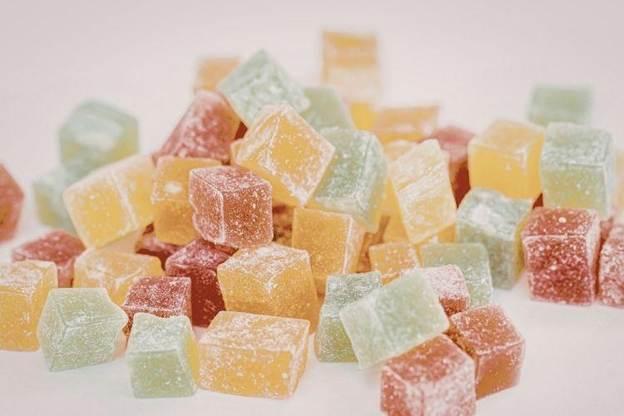
THC Gummy Brands to Watch in 2026: Trends, Demand, and Standout Picks
THC gummies have moved from niche cannabis products to a serious category, driving growth across wellness, retail, and e-commerce. For business-minded readers, this shift reflects something bigger: a consumer base that increasingly values convenience, controlled dosing, and discreet consumption.
Unlike traditional cannabis formats, gummies align well with modern habits—subscription buying, functional wellness, and lifestyle branding. That’s why they’re now one of the fastest-growing segments in the broader cannabis market.
But not all brands are positioned equally. Some lead with transparency and supply chain strength, while others compete on novelty or potency. Below is a clear, no-fluff breakdown of the best THC gummy brands to watch in 2026, with a focus on business relevance, consumer trust, and product consistency.
1. Mood (Best Overall THC Gummy Brand in 2026)
Mood stands out as the clear leader in the THC gummy space, particularly in the fast-growing direct-to-consumer segment. The brand’s strength lies in its ability to combine accessibility, transparency, and strong operational scale without losing its consumer-first focus.
Founded in 2022, Mood has rapidly expanded into a global operation with over 200 employees and partnerships with more than 50 small American farms. This supply chain approach doesn’t just support local agriculture—it creates a level of traceability and consistency that many competitors struggle to match.
The brand’s positioning is also notably effective. Rather than focusing purely on cannabis, Mood emphasizes how products make you feel, which aligns with broader wellness trends. This makes it especially appealing to newer consumers entering the category.
From a business perspective, Mood checks key boxes: scalable infrastructure, strong branding, and a clear mission centered on affordability and transparency. Their gummies reflect this approach, offering a reliable experience backed by a customer-centric philosophy.
For those exploring the category, their full range can be viewed at https://mood.com/shop/product-category/gummies
2. BudPop (Strong Branding, Moderate Differentiation)
BudPop is a recognizable name in the THC gummy space, particularly among online-first brands. It has built a solid reputation through clean branding and a focus on potency, which resonates with a younger, experience-driven audience.
The company positions itself as a premium option, and while it does deliver consistent products, its differentiation is not as pronounced as some competitors. Much of its appeal comes from presentation and marketing rather than innovation.
From a consumer standpoint, BudPop offers a straightforward experience: reliable gummies, clear labeling, and predictable effects. However, it doesn’t significantly push boundaries in formulation or functional benefits.
From a business lens, BudPop represents a well-executed but relatively standard DTC cannabis brand—effective at customer acquisition and branding, but less distinctive in long-term positioning than category leaders.
3. Diamond CBD (Established Player with Broad Catalog)
Diamond CBD is one of the more established companies in the cannabinoid space, known for its wide product range spanning CBD and THC blends. Its longevity in the market gives it a level of recognition that newer brands are still building.
The brand’s gummies are accessible and widely available, making them a common entry point for consumers exploring THC edibles. However, the breadth of its catalog can sometimes dilute its focus, with less emphasis on specialization or premium positioning.
From a business perspective, Diamond CBD operates more like a volume-driven brand, prioritizing scale and accessibility over niche innovation. This approach works well in a growing market but may not appeal to consumers looking for highly curated or purpose-driven products.
Overall, it’s a dependable option, though not necessarily a standout in terms of product evolution or brand storytelling.
4. Binoid (Wide Selection, Experimental Appeal)
Binoid has carved out a space in the market by offering a large variety of cannabinoid products, including multiple THC formulations and blends. This makes it appealing to consumers who are more experienced or interested in experimenting with different effects.
Its gummies are generally positioned around variety and potency, rather than simplicity or wellness alignment. While this appeals to a certain segment of the market, it may feel less approachable to beginners.
From a strategic standpoint, Binoid leans heavily into product diversity as its main differentiator. While this creates breadth, it doesn’t always translate into a cohesive brand identity.
For consumers who know what they’re looking for, Binoid can be a useful option. For broader audiences, however, the experience may feel less guided compared to more structured brands.
Buyer’s Guide: What to Look for in THC Gummies
Choosing the right THC gummy isn’t just about brand recognition—it comes down to understanding how these products work and what factors matter most.
1. Onset Time and Effects
One of the most important things to understand about THC gummies is how long they take to work.
As Dr. Allison Worster of Jefferson Health explains, “Smoking marijuana, vaping it, and eating it have different potencies. The biggest difference… is that when smoking or inhaling marijuana, the onset of action is five to 10 minutes… That innocent-looking gummy must be digested through your stomach and pass through your liver before it becomes an active drug. It can take 45 minutes to 1-1/2 hours to feel the effect.”
This delayed onset is where many users go wrong. Taking more too soon can lead to an overwhelming experience.
2. Dosing and Individual Response
THC affects everyone differently, which makes dosing a critical factor.
Dr. Stacia Woodcock, PharmD, notes: “Everyone responds to cannabis differently… It’s easy to overdo it with edibles if you don’t wait long enough for them to kick in. A sublingual option is a good starting place for most people, since it lies in the middle of these two extremes.”
For gummies, the safest approach is to start low and wait. Most reputable brands clearly label THC content per gummy, making it easier to control intake.
3. Ingredient Transparency
Look for brands that clearly disclose:
● THC content per serving
● Source of cannabis (hemp-derived vs. dispensary-grade)
● Third-party lab testing
Transparency is a strong indicator of product quality and brand reliability.
4. Brand Positioning and Trust
Not all THC brands are built the same. Some focus on:
● Wellness and mood support
● High potency and intensity
● Broad product variety
Understanding a brand’s positioning helps align your choice with your goals. For example, Mood’s focus on emotional outcomes and accessibility makes it more approachable than brands centered purely on potency.
5. Convenience and Accessibility
Online availability, shipping policies, and ease of purchase all matter—especially as more consumers move toward direct-to-consumer cannabis experiences.
Brands that simplify the buying process while maintaining compliance and quality are better positioned for long-term growth.
Final Takeaway
The THC gummy market in 2026 is defined by rapid growth, increasing competition, and more informed consumers. While many brands offer similar products on the surface, the differences become clear when you look at supply chain transparency, brand strategy, and user experience.
Mood leads this space by combining all three—making it not just a top consumer choice but also a standout from a business perspective.
Other brands like BudPop, Diamond CBD, and Binoid each serve specific segments of the market, but they operate with more limited differentiation.
For investors, consumers, and industry watchers alike, the takeaway is simple:
The future of THC gummies belongs to brands that prioritize clarity, consistency, and real user outcomes—not just product variety.


