
IV Sedation in Dentistry: What Patients in Champaign Should Expect — Clear, Confident Guidance
If you feel nervous about dental work or face a long procedure, IV sedation can make the visit calm and comfortable. IV sedation helps you stay deeply relaxed and still during complex treatments, while trained staff monitor your safety and recovery.
You will learn how providers in Champaign prepare you, what happens during the appointment, and what to expect afterward. This guide also covers the benefits and safety steps so you can decide if IV sedation fits your needs.
Understanding IV Sedation in Dentistry
IV sedation in Rantoul, IL helps you stay calm and comfortable during dental care. It works quickly, is monitored closely, and can be adjusted by the dentist to keep you at the right level of relaxation.
What Is IV Sedation?
IV sedation is a drug given through a vein to reduce anxiety and awareness during dental treatment. You stay conscious but very relaxed; many patients barely remember the procedure afterward.
A licensed dentist or anesthetist places a small IV line, often in your arm or hand. The sedative enters your bloodstream for fast, controlled effect. Nurses or trained staff monitor your breathing, oxygen, heart rate, and blood pressure the whole time.
You must provide a full medical history and list of medications before receiving IV sedation. You will need someone to drive you home and avoid eating or drinking for a set time before the appointment.
How IV Sedation Works
Your provider typically uses short-acting drugs like midazolam or propofol. They give a loading dose, then smaller doses to keep you comfortable. If you need deeper sedation, they can increase the rate quickly.
Monitoring devices include a pulse oximeter, blood pressure cuff, and sometimes capnography to track breathing. Staff watch for signs of breathing problems and adjust the drug dose as needed.
Recovery time varies by medication and dose. Most people feel drowsy for several hours and should avoid driving, alcohol, and making important decisions for the rest of the day.
Types of Dental Procedures Using IV Sedation
IV sedation suits procedures that cause anxiety, take a long time, or require many steps in one visit. Common uses include:
- Wisdom tooth extraction and oral surgery
- Multiple dental implants or bone grafts
- Extensive restorative work, like full-mouth reconstruction
- Treatment for severe dental phobia or a strong gag reflex
Dentists may choose IV sedation when local anesthesia alone won’t keep you relaxed. Your dentist or oral surgeon will discuss why IV sedation fits your specific procedure and any alternatives.
Patient Experience and Expectations in Champaign
You will learn what to expect before, during, and after IV sedation, who can safely receive it, how to prepare, and what recovery looks like. The details cover local practices in Champaign and common steps your dentist will take to keep you safe and comfortable.
What Patients Should Expect Before, During, and After IV Sedation
Before your appointment, you will meet with the dentist or anesthetist for a health review and consent form. Expect questions about medications, allergies, prior anesthesia reactions, and recent illnesses. Vital signs and an IV line placement plan are discussed.
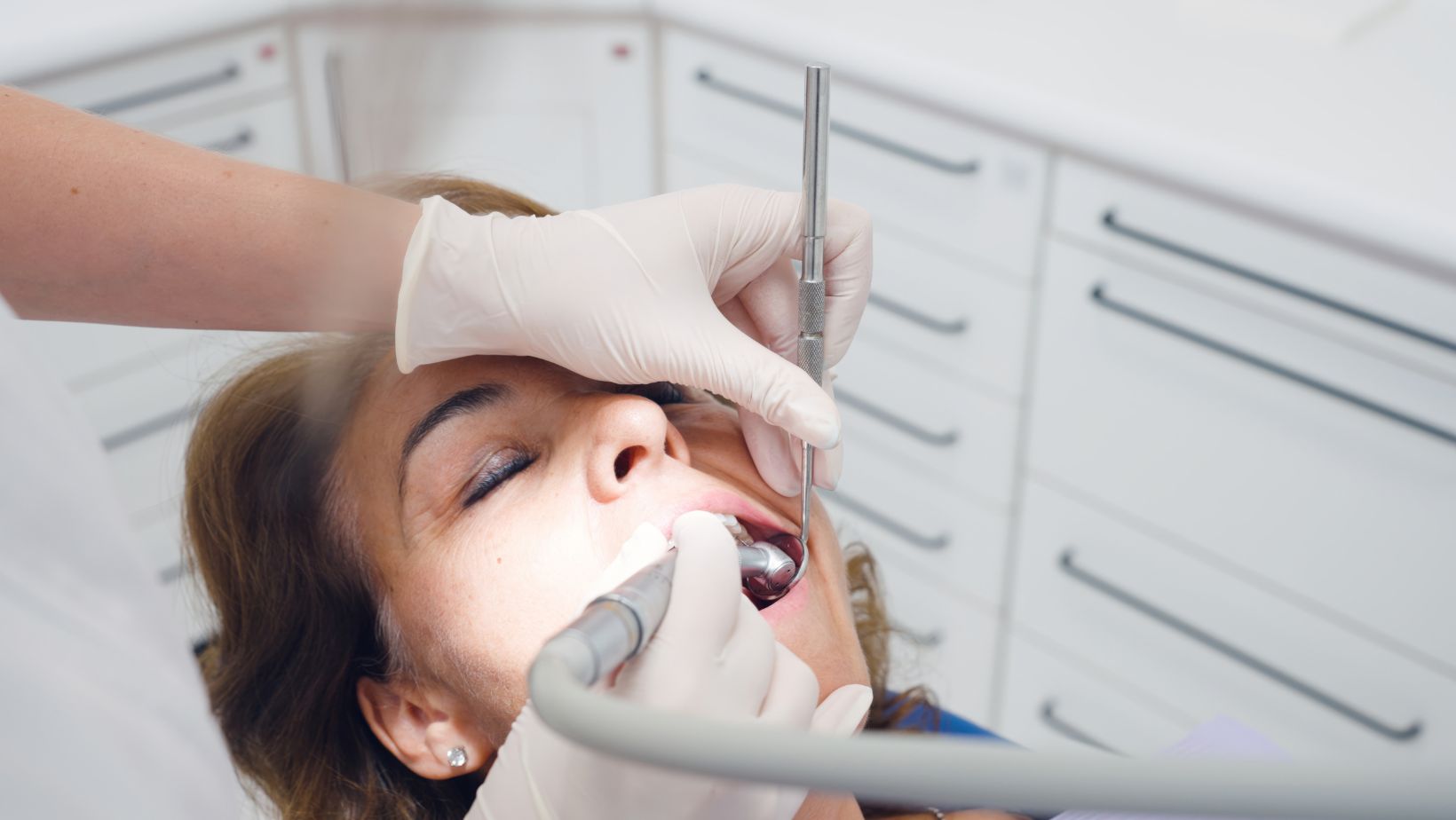
During the procedure, staff monitor your pulse, blood pressure, oxygen levels, and breathing. The IV is usually placed in your hand or arm and sedation is adjusted to keep you relaxed but responsive as needed. You may feel drowsy, calm, or have gaps in memory.
After the procedure, staff transfer you to recovery where monitoring continues until you meet discharge criteria. You must have a responsible adult drive you home. Expect grogginess, dry mouth, and mild nausea for a few hours; follow all written discharge instructions.
Patient Eligibility and Health Considerations
You must provide a full medical history, including heart, lung, liver, or kidney conditions. Inform the dental team about sleep apnea, pregnancy, diabetes, and any recent respiratory infections. Some conditions require clearance from your primary care doctor.
List all prescription, over-the-counter, and herbal medicines. Blood thinners, opioids, and some psychiatric drugs can change sedation plans. Smoking and recreational drug use also affect eligibility.
Age matters: children and older adults need special dosing and monitoring. The dentist may recommend alternative sedation types if IV sedation poses higher risk for you.
Preparation Guidelines for IV Sedation
Follow fasting rules: typically no solid food for 6–8 hours and clear liquids up to 2 hours before the appointment. Your dentist will give exact timing based on your case and medications.
Stop or adjust certain medicines only if the dentist or your physician tells you. Bring a list of current drugs and recent lab results if requested. Wear loose, comfortable clothing and avoid contact lenses or heavy makeup.
Arrange a ride home and plan to rest for the rest of the day. Do not drive, operate machinery, or make important decisions for at least 24 hours unless your provider says otherwise.
Recovery Process and Aftercare
You will recover in the office until your vitals stabilize and you can sit up and walk safely. Expect clear written aftercare instructions and a phone number for questions after hours.
At home, rest and avoid alcohol, sedatives, or strenuous activity for 24 hours. Eat light foods as tolerated; start with liquids if you feel nauseous. Use over-the-counter pain relief only as advised by your dentist.
Watch for warning signs: prolonged dizziness, breathing problems, severe pain, fever, or heavy bleeding. Contact your dental office or go to urgent care if any of these occur.
Benefits and Safety of IV Sedation for Dental Patients
IV sedation helps you stay calm, respond when needed, and recover faster than deeper general anesthesia. It gives your dentist tight control over comfort, memory, and recovery while keeping basic breathing reflexes intact.
Advantages Over Other Sedation Methods
IV sedation works faster and more predictably than oral sedatives. Medications enter your bloodstream immediately, so the dentist can adjust dose minute-by-minute to match procedure length and your response.
Compared with nitrous oxide, IV sedation produces deeper relaxation. You remain able to follow simple instructions, but you often have limited memory of the visit. This helps with anxiety during long or complex procedures like implants or multiple extractions.
IV also avoids the variability of pills. Oral drugs take longer and absorb unevenly with food or body weight. With IV, your clinician controls the level of sedation and can speed recovery by stopping the infusion.
Safety Protocols and Monitoring
Clinics in Champaign follow standard monitoring to keep you safe. Expect continuous pulse oximetry, blood pressure checks every 3–5 minutes, and ECG monitoring for patients with heart risks. Trained staff manage the IV and sedation drugs.
A pre-op evaluation reviews your medical history, current medications, and allergies. You must fast for a set time and arrange a ride home. Emergency airway tools and reversal drugs like flumazenil (for benzodiazepines) or naloxone (for opioids) are kept ready.
Only licensed dentists or anesthesiologists with sedation credentials should provide IV sedation. Documentation records drug names, doses, start/stop times, and your vitals from baseline through discharge.
Potential Side Effects and Risks
Common short-term effects include drowsiness, nausea, dry mouth, and mild amnesia. These usually resolve within hours but can linger into the next day, so plan not to drive or make major decisions for 24 hours.
Less common risks include low blood pressure, slowed breathing, or allergic reaction. Your risk rises with severe obesity, sleep apnea, heart or lung disease, or certain medications. That’s why you must share your full health history.
Rare but serious complications — airway blockage or major allergic reaction — are treated with oxygen, airway maneuvers, or reversal drugs. Proper monitoring and a trained team lower these risks significantly.


