
How To Stay Organized During Your Transition to a Foreign Country
A clear plan brings order to your transition to a foreign country, especially when each step competes for your attention. Strong organization supports smoother movement through deadlines, paperwork, and emotional changes. You gain confidence when each part of your preparation has a place and a purpose. With a steady structure guiding you, the pressure of relocation becomes far easier to manage.
What Moving Abroad Means for Your Planning
Relocating opens a new chapter, but it also shifts routines in ways many people underestimate. Understanding what moving abroad means helps you anticipate changes that influence your time, focus, and daily expectations. As your personal, professional, and logistical responsibilities grow, early planning enables you to stay ahead of these demands. Thorough preparation fosters stability as you tackle tasks that support your long-term well-being.
Preparing Your Home With Tips for Packing
Packing becomes manageable when you build a system that protects your belongings from unnecessary wear. Including tips for safe furniture packing in your plan helps you preserve important pieces and reduce damage during transport. Items wrapped securely will arrive ready for use, which speeds up the settling process. Good packing choices keep your move efficient and protect your home investment.
Creating a Checklist That Matches Your Daily Needs
A practical checklist brings order to busy weeks and helps you separate urgent tasks from everything else. You gain clarity when you map out your days around deadlines, appointments, and travel plans. This focus prevents distractions from taking over and keeps each step moving forward smoothly. Consistent review of your checklist keeps your momentum steady.
Organizing Work Responsibilities Before Relocation
Work tasks deserve the same attention as home preparations, especially when your move affects team schedules. Planning for office relocation ensures your responsibilities remain clear during the transition period. You support your colleagues when you deliver projects early and communicate your timeline openly. A strong work structure prevents unnecessary stress for everyone involved.
Sorting Important Documents Early
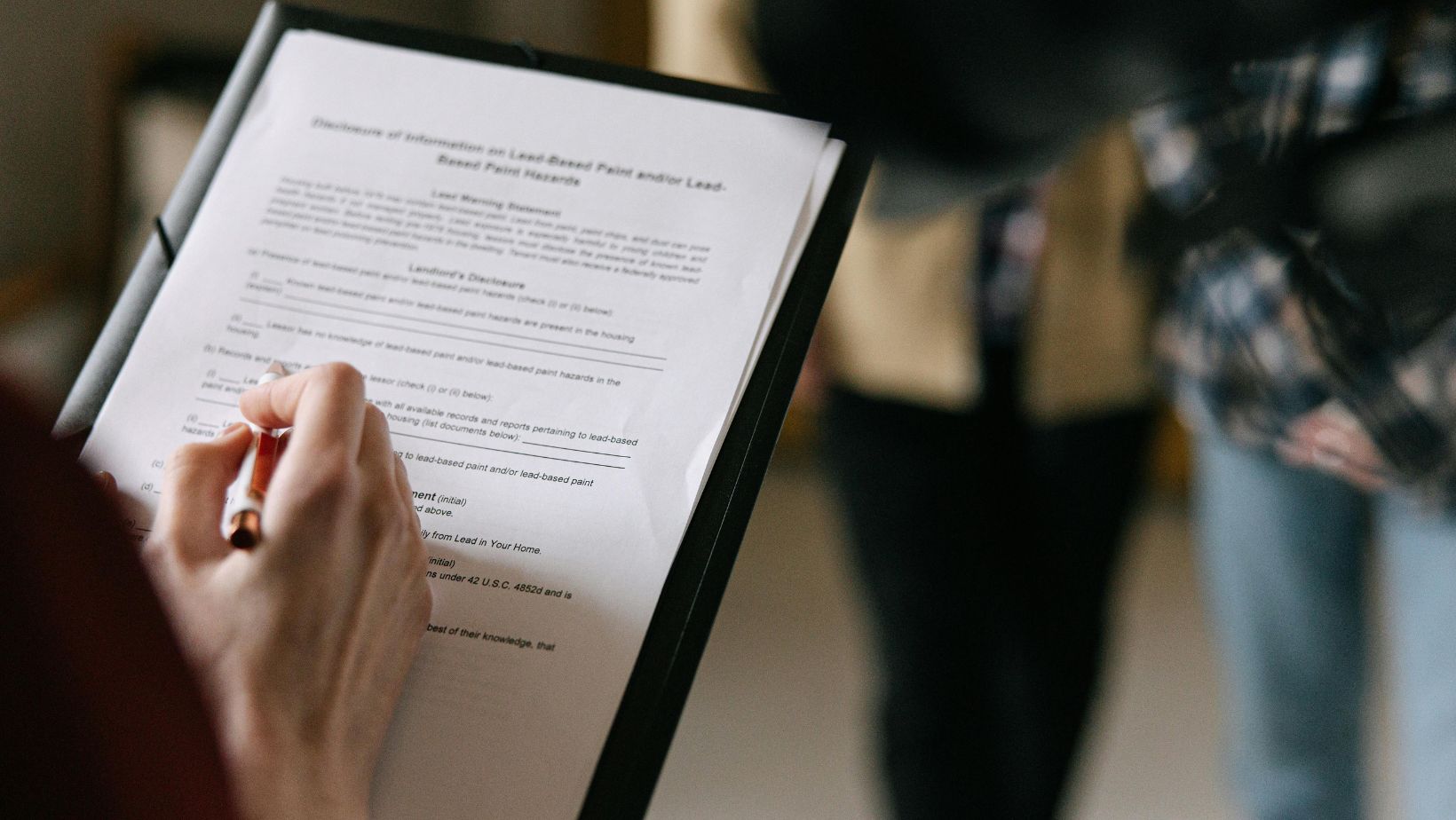
Documents often determine how quickly you advance through official procedures, so early sorting protects your progress. Passports, agreements, records, and visa materials need a secure place that stays accessible throughout the move. Keeping them organized reduces delays during travel and check-ins and supports smooth interactions with officials. A single folder helps you stay confident and ready.
Researching Essential Local Information
Understanding your destination strengthens your ability to settle comfortably and avoid avoidable challenges. Government information at provides reliable insight into entry rules, safety updates, and country-specific expectations. This research helps you prepare mentally and practically for a new environment. Familiarity with local rules supports a calm transition.
Planning a Realistic Arrival Schedule
Travel often brings fatigue, so your first days abroad benefit from a simple schedule that protects your energy. You give yourself room to rest, explore your surroundings, and complete essential tasks at a comfortable pace. This reduces overwhelm and supports a healthier adjustment in those early weeks. A slow and steady start lays the foundation for long-term stability.
Managing Your Budget
Careful budgeting gives you a strong sense of control during a major move. Keeping track of moving costs helps you understand your financial responsibilities and adjust your plans with confidence. Housing deposits, travel fees, and delivery expenses become easier to manage when recorded clearly. Accurate information supports smart decisions that help your budget last.

Staying Flexible With Housing Adjustments
New spaces often need small changes before they feel comfortable, and flexibility supports this process. You may shift your layout, reorganize storage, or update certain items once you understand how the space functions. These adjustments make your home more practical and improve your daily rhythm. Flexibility allows you to settle without frustration.
Building New Routines in a Foreign Environment
Routines provide emotional security during major change, especially when everything around you feels new. Small habits help you shape order, from morning tasks to evening downtime, and these patterns support stronger focus throughout the day. Consistency brings comfort, and comfort builds confidence in unfamiliar surroundings. Over time, they create a sense of belonging and ease.
Deepening Comfort Through Community Connections
Human connection plays a major role in how quickly you settle abroad. Reaching out to neighbors, joining local groups, or participating in community events helps you build trust in your new environment. These interactions introduce you to helpful information, daily norms, and nearby services that support smoother routines. Community ties also reduce the emotional weight that often accompanies relocation. You gain stability when you build relationships that strengthen your sense of place.
Using Digital Tools to Stay Organized
Technology can play a valuable role in keeping your move structured. Apps that track deadlines, store documents, or manage spending keep your tasks visible and easy to update. These tools reduce mental load and make it simple to check your progress during busy stages of your transition to a foreign country. Digital organization creates consistency when your schedule feels unpredictable.
Maintaining Wellness During Major Change
Your physical and mental well-being influence how well you handle the pressures of relocation. Rest, balanced meals, and short breaks help your body adjust to new routines and surroundings. Prioritizing wellness also improves focus and decision-making during demanding periods. When you support your health, you strengthen your ability to adapt with clarity and patience.
Strengthening Your Plan During Your Transition to a Foreign Country
A structured approach transforms your transition to a foreign country into a manageable, steady process that supports long-term comfort. Organized tasks help you remain calm while you adjust to new expectations and environments. Strong routines, clear planning, and flexible thinking protect your well-being during each stage. With thoughtful preparation guiding your decisions, you begin your new chapter with confidence and control.