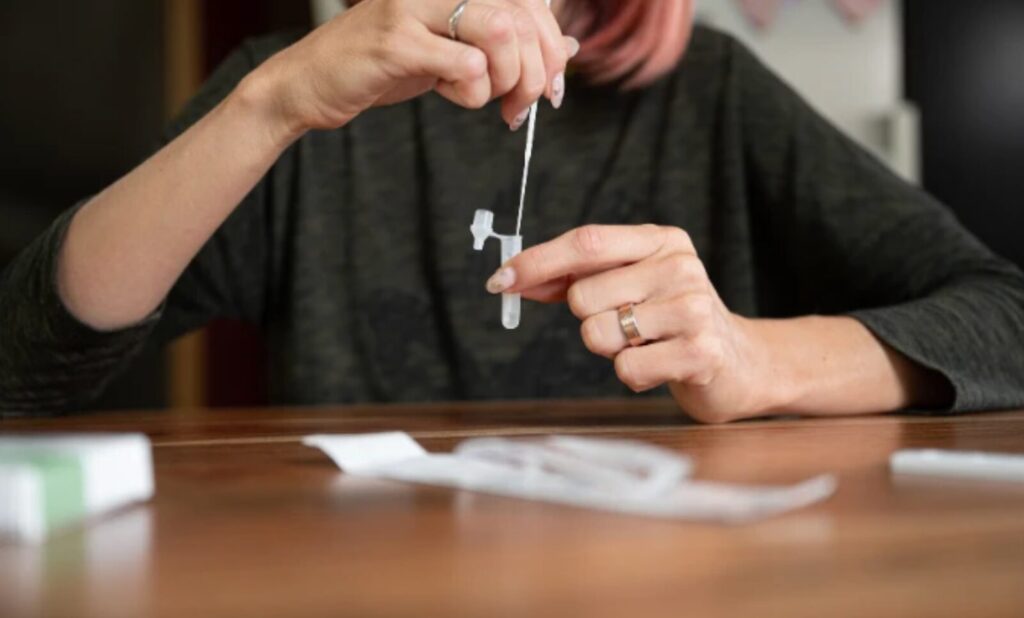
What Affects the Accuracy of At-Home Drug Testing Results?
In case the at-home test is positive, a lab test should be administered in order to determine the accuracy and reliability.
Why Accuracy Matters in Health, Safety, and Legal Contexts
Home drug testing devices have gained great popularity in recent years owing to their convenience, privacy and ease of evading use. These kits enable a person or family to test many different substances in the comfort of their own home and it can take a few minutes to get the results. They are usually utilized by parents who make sure about the well-being of their children, employers who perform pre-employment screening, or by individuals who need to keep track of their own substance use. The rising popularity of these kits can also be explained by their cheapness in comparison with laboratory tests and by the rise of the level of awareness of the substance abuse problems in the society. Modern swab drug test kit is increasingly becoming accurate and available with the increasing technology, which continues to fuel their usage.
The accuracy is a highly sensitive issue to users and families involved in the utilization of the at-home drug tests kits because the outcomes may have a great influence on decision-making and emotional state. One of the most common questions asked is, “How accurate at home drug tests?” Their reliability has been enhanced by modern developments, though improper use, contamination of samples or even limits of the test can still cause results to be affected. Inaccurate findings may result in either a false sense of trust or unjustifiable confrontation to the family, particularly those that may be facing sensitive cases. To get reliable results, it is necessary to make sure that these kits are correctly used and that the brands are reputable and have been proven to be effective.
Understanding At-Home Drug Testing
Home made drug tests detect drugs or drug metabolites in the body of a subject. Some people wonder how accurate at home drug tests. These are simple and discrete tests that are applied during a preliminary screening. They check urine, saliva, hair and breath in case of some chemicals. The most widespread is urine tests, which show signs of drug use in a few days. Saliva tests are not intrusive and are rapid but their range is limited. Drug usage can be traced by hair follicle test up to 90 days, however, it requires several hair strands. Breath tests are not as widespread in drug screening, but they are typically applied to assess the level of alcohol in real-time. These methods are convenient and flexible to use at home in testing drugs.
Amphetamines, benzodiazepines, cannabis, cocaine, opiates, and benzodiazepines are some of the compounds that are detected through at-home drug testing. These are law and personal tests which are used in employment compliance, monitoring of recovery programs and parent education about drug usage. How accurate at home drug tests? is a common question. The precision of at-home drug tests depends on the type and type of substance used, with most of them reporting 95 percent or more with proper application. Nevertheless, it may still be influenced by poor sample collection, test timing or kit sensitivity threshold.
Factors Affecting the Accuracy of At-Home Drug Tests
Test Quality and Brand Reliability
The reliability of testing as well as brand credibility is determined by the standard of production. In case of high standards of manufacture, drug testing kits are precise and sound. This is important when asking “how accurate at home drug tests.” Successful at-home drug tests need to be precision engineered in terms of components and quality controlled. Such confidence by the consumer on the brands that undertake stringent testing during their production is high, since their products minimize false negatives and positives as well as provide accuracy and reliability.
High quality and brand reliability of low-cost test kits are usually less than those of premium ones. Low-cost kits might be attractive to the budget-conscious consumers, however, at the cost of accuracy and dependability as production steps and materials may be not as rigorous or even of inferior quality. Nevertheless, for those, who still doubt how accurate at home drug tests, the premium test kits are well quality assured and of fine quality components so that the performance of the test and the findings are predictable. This is because additional testing and validation of these kits minimize false positives and false negatives. Although better solutions are expensive, they will provide you with peace of mind, particularly when the right results are paramount.
Sample Collection and Handling
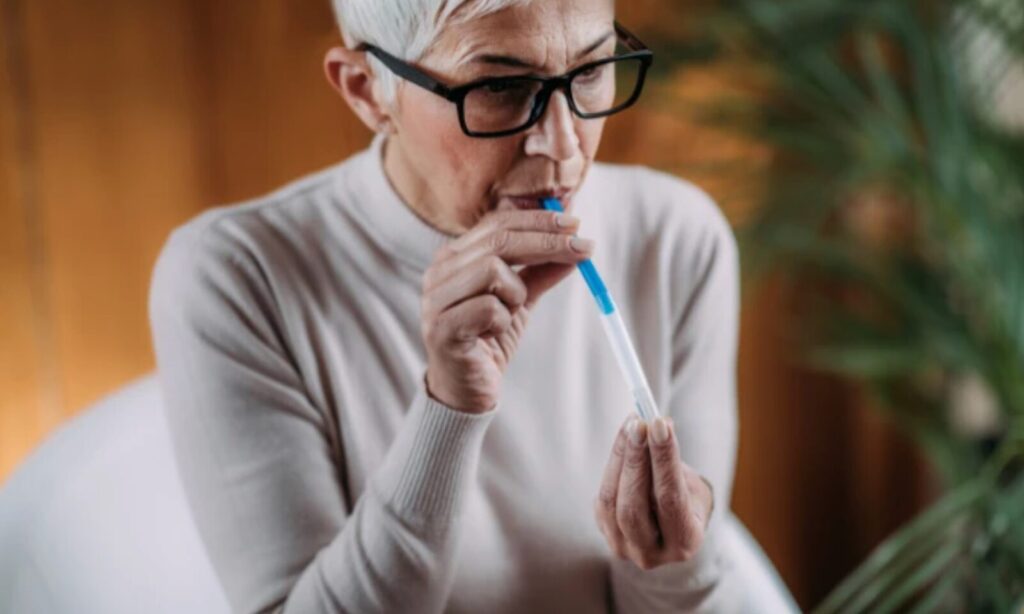
To get accurate test results, proper collection and manipulation of samples are crucial but slight errors could affect urine or saliva samples. Poor clean-catch or non-sterile containers may contaminate urine sample and this makes results inaccurate. Sample misidentification can also occur as a result of mislabeling. Consuming food, drinking or smoking prior to the sampling of saliva may skew results. A lack of saliva may also result in problems in testing. They require proper instructions and training on how to prevent these risks by the patients and professionals.
In at-home testing kits, specific instructions include accurate and consistent sample collection and handling to achieve accurate and consistent test results. Poor management of samples or not using time criteria may ruin the outcomes. The question that people will always ask is, “How accurate at home drug tests?” and accuracy consists in following directions. Improper sampling leads to errors and compromise investigation outcomes; therefore, the right collection, labeling, and packaging of the sample guarantee dependable results. To trust, use test results and avoid false positives and negatives, it is necessary to adhere to the guidelines.
Timing of the Test
There are a number of factors that influence at-home tests of drug accuracy. Early testing after intake of the substance can also give false results because the drug might not be present in the body. It is also important that drug half-life and metabolism. Chemicals with short half-life can be eliminated quickly and thus they are hard to detect whereas slower metabolisms can retain chemicals longer and this increases detection. When inquiring “how accurate at home drug tests,” several variables might greatly affect results.
At-home drug test accuracy can be influenced by fluid consumption, food consumption, and exercise as it alters the concentration of body substances. Hydration may dilute urine samples, which will yield false negatives with a chemical concentration that is lower than the detection limit. Recent food intake can alter metabolism and break down and excretion of substances which influence detecting time.
Cross-Reactivity and False Positives
Understanding the possibility of false positives brought on by specific substances is crucial when evaluating how accurate at home drug tests. False positive results can be produced by antibiotics like amoxicillin and cold remedies containing pseudoephedrine. Natural substances such as food and natural products such as poppy seeds that contain trace levels of opium derivatives can also give misleading results. Simple and quick, at-home drug tests nonetheless, underline the importance of more precise laboratory tests to verify the findings.
Cross-reactivity, where drugs with closely related chemical structures to target drugs provide false positives or negatives, could affect the accuracy of at-home drug tests. Enhanced test design is used by manufacturers to lessen cross-reactivity. These are immunoassay tests that have highly selective antibodies and bind to the desired chemicals. Cutoff limits reduce sensitivity to trace levels of non-target chemicals, getting results nearer to clinically relevant levels.
Comparing At-Home Tests to Laboratory Testing
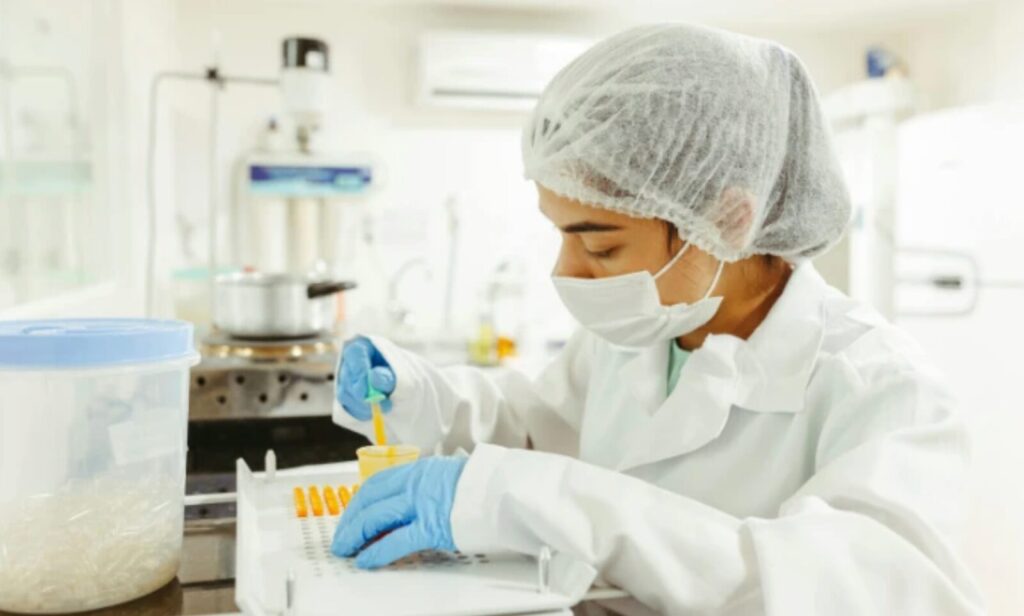
A major dependency on comparisons made between at-home and lab tests is mainly on accuracy. Modern equipment, standardized procedures, and professional observation make laboratory tests more accurate. The rigorous procedures guarantee reliability of the results, and thus labs are the most appropriate place to get necessary confirmations. At-home testing are however, not as accurate and are convenient and private. For instance, while questioning how accurate at home drug tests, it’s vital to remember that while they can produce initial results, inappropriate usage, test sensitivity, or sample contamination may compromise their accuracy. Although, lab tests remain the most reliable way to get results.
In certain cases professional lab work is required and preliminary results can be provided by at-home tests. In case the at-home test is positive, a lab test should be administered in order to determine the accuracy and reliability. In case at-home test is inconclusive or multiple tests are discrepant, lab testing is suggested. Medical issues, legal issues, and precise recordkeeping also require laboratory testing. Following an at-home test, you can be given advice about the next steps by a doctor, which will make you feel calm.
If laboratory testing confirms ongoing substance use, seeking professional treatment can help address the underlying issue. The House of Life provides evidence-based care, including drug and alcohol detox in Los Angeles, for individuals who need medically supervised withdrawal and ongoing support on the path to recovery.


