
How Meditation and Stretching Reduce Anxiety
Anxiety is a common mental health challenge that affects millions of people worldwide. It can manifest as excessive worry, tension, restlessness, and even physical discomfort. While medication and therapy are effective treatments, natural techniques like meditation and stretching have gained recognition for their ability to reduce anxiety. These practices offer a holistic way to calm the mind, release tension, and promote relaxation.
In this article, we will explore how meditation and stretching can help alleviate anxiety, the science behind their benefits, and practical ways to incorporate them into daily life.
Meditation is an ancient practice that involves focusing the mind to achieve a state of calm and awareness. Research has shown that regular meditation can lower stress and anxiety by influencing brain activity and hormone levels.
1. Meditation Reduces Stress Hormones
One of the primary reasons meditation helps with anxiety is its impact on cortisol levels. Cortisol is the hormone responsible for the body’s stress response. A study published in Psychosomatic Medicine found that mindfulness meditation significantly reduces cortisol levels, leading to a calmer and more relaxed state (Tang et al., 2007).
2. Meditation Enhances Brain Function
Meditation affects brain regions associated with stress and emotional regulation. Studies using MRI scans have shown that people who meditate regularly have increased activity in the prefrontal cortex—the part of the brain responsible for rational thinking and decision-making (Zeidan et al., 2010). This allows individuals to manage anxious thoughts more effectively.
3. Meditation Promotes Mindfulness and Present Awareness
Anxiety often stems from worries about the future or regrets about the past. Meditation helps people focus on the present moment, reducing overthinking and excessive worrying. A study published in JAMA Internal Medicine found that mindfulness meditation significantly improves anxiety symptoms, making it a powerful tool for mental well-being (Goyal et al., 2014).
How Stretching Helps Reduce Anxiety
Stretching is commonly associated with physical benefits, but its impact on mental health is equally important. Gentle stretching can relieve muscle tension, improve circulation, and promote relaxation, all of which help in reducing anxiety.
1. Stretching Relieves Muscle Tension
Anxiety often causes physical symptoms like muscle tightness, headaches, and stiffness. Stretching helps relax tense muscles, sending signals to the brain that the body is safe and reducing the overall stress response.
2. Stretching Improves Blood Circulation
When you stretch, blood flow to the muscles increases, delivering oxygen and nutrients. This can help reduce fatigue and mental fog, which are common symptoms of anxiety. Improved circulation also supports a sense of relaxation and well-being.
3. Stretching Activates the Parasympathetic Nervous System
The parasympathetic nervous system, also known as the “rest and digest” system, is responsible for calming the body. Stretching activates this system, helping lower heart rate and promoting relaxation.
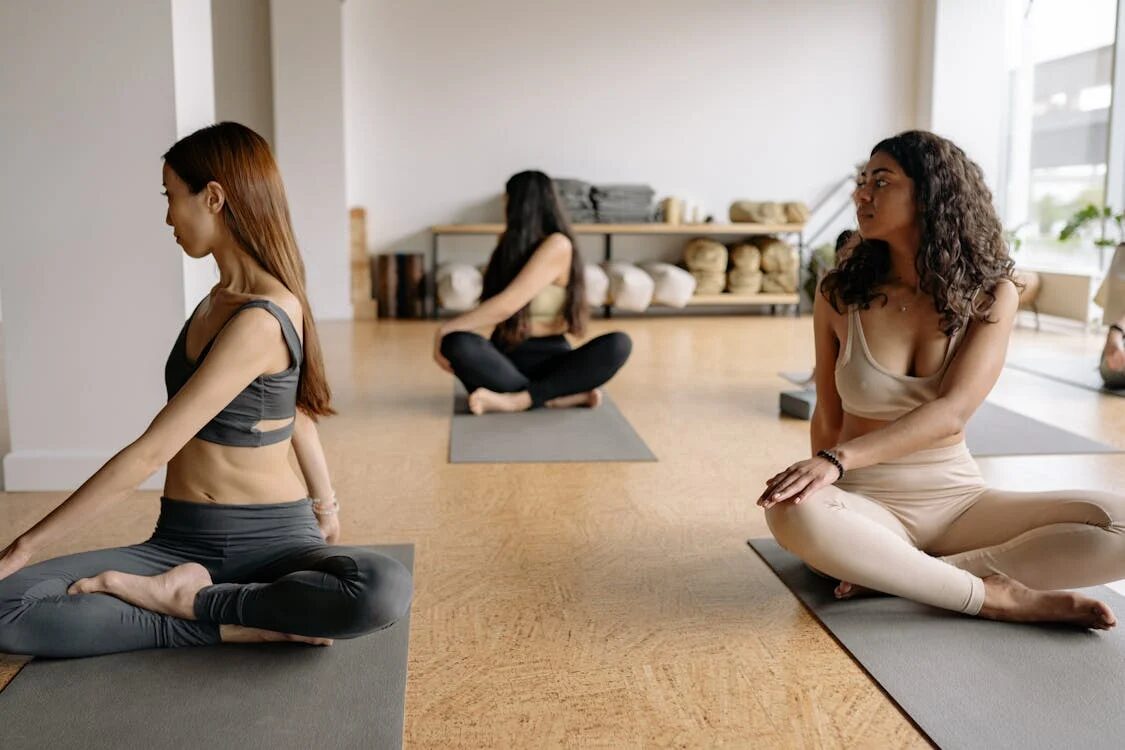
A study published in the Journal of Behavioral Medicine found that stretching exercises significantly reduce stress and anxiety levels (Cramer et al., 2016).
Leading Meditation Techniques for Anxiety
Not all meditation techniques are the same, but several are particularly effective in managing anxiety.
1. Mindfulness Meditation
Mindfulness meditation involves focusing on the present moment without judgment. By paying attention to the breath, sensations, and surroundings, individuals can reduce anxious thoughts and stay grounded.
How to Practice:
– Sit comfortably and close your eyes.
– Take deep breaths and focus on each inhale and exhale.
– If your mind wanders, gently bring your focus back to your breath.
– Practice for 5–10 minutes daily.
2. Guided Meditation
Guided meditation involves listening to a recorded voice or a teacher who leads the meditation session. This method is helpful for beginners who may struggle with focusing on their own.
How to Practice:
– Find a guided meditation online or use a meditation app.
– Follow the instructions, focusing on your breath and relaxation.
– Practice regularly to build consistency.
3. Body Scan Meditation
Body scan meditation involves mentally scanning the body for tension and consciously relaxing each area.
How to Practice:
– Lie down in a quiet place.
– Close your eyes and take deep breaths.
– Focus on each body part, starting from the toes and moving up to the head.
– Release tension from each area as you go.
Leading Stretching Exercises for Anxiety Relief
Certain stretches are particularly beneficial for relaxation and anxiety relief.
1. Forward Fold
This stretch releases tension in the back and shoulders, promoting relaxation.
How to Do It:
– Stand with feet hip-width apart.
– Bend forward, allowing your upper body to hang.
– Let your arms dangle and take deep breaths.
– Hold for 30 seconds.
2. Child’s Pose
A gentle stretch that soothes the nervous system and relaxes the body.
How to Do It:
– Kneel on the floor with your toes together.
– Sit back on your heels and extend your arms forward.
– Rest your forehead on the ground and breathe deeply.
– Hold for 30 seconds to 1 minute.
3. Cat-Cow Stretch
A great way to release tension from the spine and improve breathing.
How to Do It:
– Get on all fours with hands under shoulders and knees under hips.
– Inhale, arch your back (Cow Pose), and lift your head.
– Exhale, round your back (Cat Pose), and tuck your chin.
– Repeat for 1 minute.
Incorporating Meditation and Stretching into Daily Life
To experience the benefits of meditation and stretching, consistency is key. Here are some tips to make these practices a regular part of your routine:
1. Start Small – Begin with 5 minutes of meditation and 5 minutes of stretching per day.
2. Create a Routine – Set a specific time each day for meditation and stretching, such as morning or bedtime.
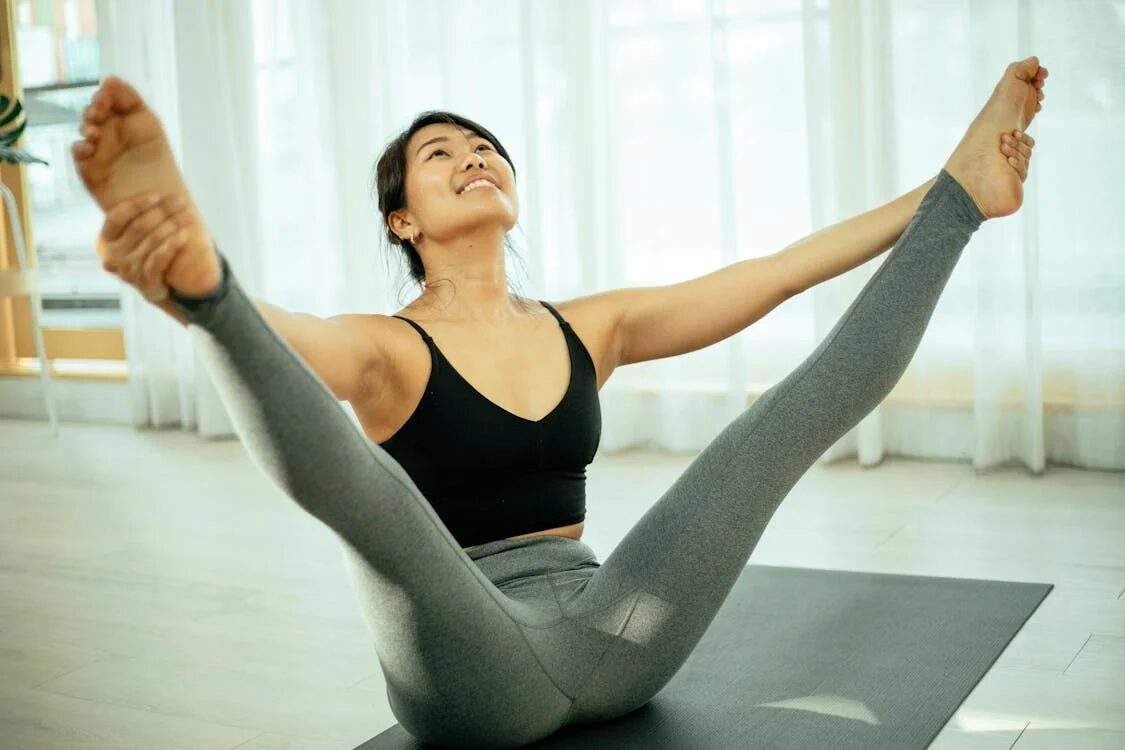
3. Use Technology – Apps like Headspace, Calm, or YouTube videos can provide guided sessions.
4. Pair with Other Activities – Stretch while watching TV or meditate before bed for relaxation.
5. Be Patient – The benefits build over time, so stay consistent.
Conclusion
Meditation and stretching are powerful tools for managing anxiety. Meditation helps reduce stress hormones, improve brain function, and promote mindfulness, while stretching relieves muscle tension, improves circulation, and activates the parasympathetic nervous system. By incorporating these practices into daily life, individuals can experience reduced anxiety, improved mood, and a greater sense of calm.
With a little dedication, meditation and stretching can become effective habits for achieving better mental and physical well-being.


