Hurricane Screen Shopping Guide: 7 Must-Have Features for Category 5 Protection
Living on the coast offers a beautiful lifestyle, but it comes with the undeniable stress of hurricane season. Every time a storm gathers in the Atlantic or the Gulf, homeowners face a familiar sense of dread. The physical labor of dragging heavy panels out of the garage, slicing your hands on sharp metal edges, and racing against the clock is exhausting.
Last-minute hurricane preparation is a chaotic, overwhelming experience that leaves many families drained before the storm even arrives. You deserve a better way to secure your property and protect your family. Investing in the right hurricane screens is the most reliable, cost-effective, and least labor-intensive way to protect your home from catastrophic damage.
When preparing for extreme weather, you cannot afford to compromise on structural integrity or ease of use. Upgrading to a stress-free alternative to traditional storm prep that guarantees both extreme safety and effortless deployment is the smartest investment you can make for your home’s defense.
Key Takeaways
- Prioritize extreme wind ratings: Ensure your screens are certified to withstand Category 5 wind speeds of up to 188 mph.
- Defend the building envelope: Proper screens prevent rapid pressure changes that cause devastating roof blow-offs and structural failure.
- Maintain visibility and comfort: Choose translucent fabric designs that let in natural light and prevent the claustrophobic “dark cave” feeling during power outages.
- Maximize your financial return: Save thousands in labor with DIY installation options and qualify for significant wind mitigation insurance discounts.
What Are Hurricane Screens and How Do They Differ From Shutters or Plywood?
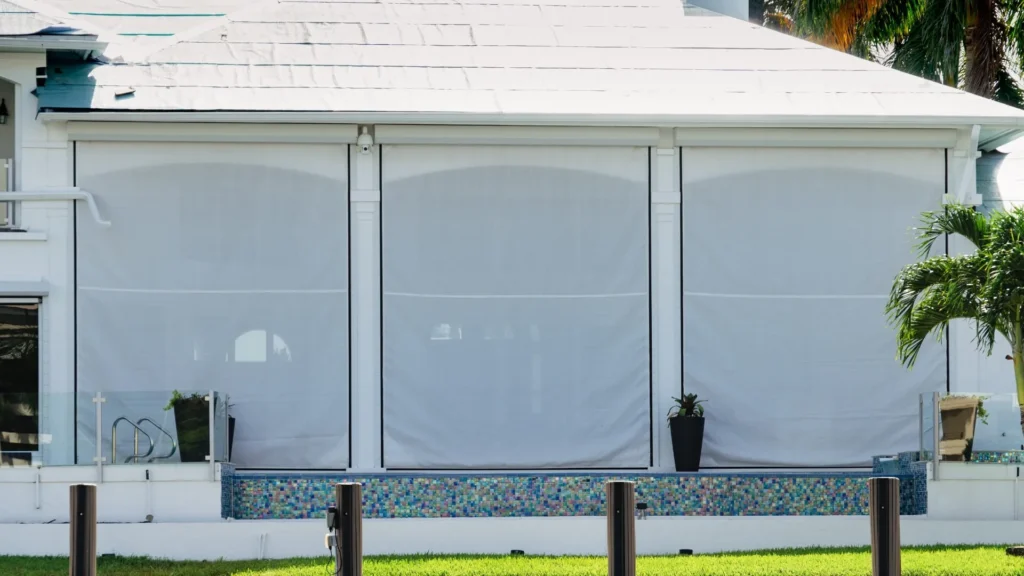
Hurricane screens are high-strength, lightweight fabric systems engineered specifically for high-velocity wind abatement and debris deflection. Modern screens are typically made from advanced, resin-coated synthetic fibers. This gives them the impact resistance of solid steel while remaining flexible and easy to handle.
For decades, homeowners relied on heavy plywood boards or awkward corrugated metal panels to board up their windows. These outdated methods take a massive physical toll. They require multiple people to carry, demand hours of grueling labor to install, and take up valuable storage space in your garage for the rest of the year.
Worse yet, traditional boarding methods completely block out the sun. They turn your home into a dark, claustrophobic cave while you wait out the storm. Modern screens provide equal or even greater impact hurricane protection without trapping you in pitch-black isolation.
| Feature | Hurricane Screens | Plywood Boards | Metal Shutters |
|---|---|---|---|
| Weight & Handling | Lightweight, easy to roll | Extremely heavy, awkward | Heavy, sharp edges |
| Deployment Time | 15 minutes or less | A full weekend | Several hours |
| Visibility | Translucent, lets light in | Pitch black | Pitch black |
| Storage Needs | Minimal (rolls up compactly) | High (takes up garage space) | High (bulky and dangerous) |
What To Look For When You Are Shopping For Hurricane Screens
Not all storm protection products are created equal. The market is flooded with lower-tier options that might look sturdy but will ultimately fail under the intense pressure of a major weather event.
You need a reliable way to separate the high-quality investments from the dangerous gimmicks. Use the following seven features as a strict shopping checklist. Evaluating each system against these criteria will help you avoid buyer’s remorse and ensure your home is armed with maximum safety.
1. Certified Wind Resistance for Category 5 Storms
The primary job of any storm screen is to stay intact under unimaginable atmospheric pressure. You need to know exactly what wind speeds and hurricane categories your chosen system is rated to handle. Do not settle for anything less than a system tested to withstand wind speeds up to 188 mph.
The wind alone can rip siding from walls and turn small branches into deadly projectiles. The danger of wind speed does not scale evenly; it scales exponentially. Buying screens rated just slightly below Category 5 standards leaves your home highly vulnerable to catastrophic failure.
2. Complete Building Envelope Protection
Your home’s “building envelope” consists of its roof, walls, doors, and windows. It acts as the physical barrier between the safe, controlled interior of your house and the violent weather outside. Protecting this envelope is the single most critical step in surviving a major hurricane.
When a window or door breaks during a storm, high-velocity wind rushes inside. This creates an immediate, massive spike in internal air pressure. This pressure pushes upward on the roof and outward on the walls, often causing the roof to blow off entirely and the home to collapse.
The right screen regulates this severe pressure while actively deflecting flying debris away from fragile glass. Keeping the envelope sealed also prevents devastating water intrusion. As FEMA notes in a recent report, just one inch of water in a home can cause more than $25,000 in damages.
3. Florida Building Code (FBC) Approval
If you live in a coastal area, you will frequently hear about the Florida Building Code (FBC). This set of construction standards was completely overhauled after the devastation of Hurricane Andrew. Today, it represents the most rigorous and strict storm safety testing criteria in the world.
Your hurricane screens must hold an active FBC approval rating, such as FBC #FL11379-R5. Non-certified screens are a severe safety hazard and a total waste of your hard-earned money. They have not passed the required large missile impact tests or cyclic pressure tests needed to prove their reliability.
When shopping, never take a salesperson’s word for it. Advise your family to ask manufacturers directly for their code approval numbers before making a purchase. You can then verify these numbers through the official state building code database for total peace of mind.
4. Fast, Effortless Deployment
When a major hurricane shifts its track toward your town, time is your most precious resource. You have to gather supplies, secure loose yard items, and finalize evacuation plans. You simply do not have time to wrestle with a complicated, stubborn shutter system.
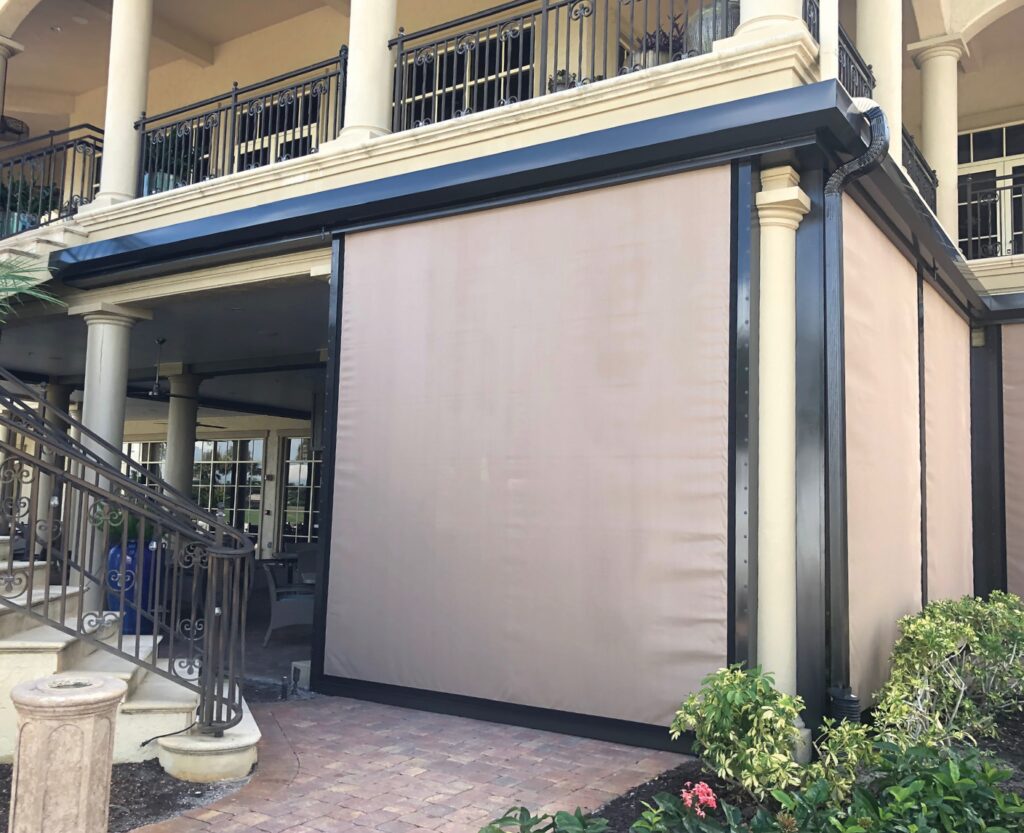
Modern screen systems are designed for rapid deployment. Thanks to lightweight fabrics and convenient self-storage tracks, a single person can secure a large patio or set of windows in minutes. This requires very little physical strength, making it an ideal solution for older homeowners or those living alone.
Compare a 15-minute screen deployment to a full weekend of hanging heavy metal or wood. You instantly reclaim hours of your life during an incredibly stressful window of time. You get to rest and focus on your family’s safety instead of suffering through exhausting manual labor.
5. Translucent Design for Visibility and Natural Light
A common fear among coastal residents is the feeling of being trapped. Traditional storm prep turns a beautiful sunlit home into a dark, airless box. When the power inevitably goes out, sitting in the pitch black for days on end is terrifying and mentally draining.
Do hurricane screens block out all natural light? High-quality systems do not. You should look specifically for “see-through protection” that allows natural daylight to filter into your home.
This translucent design lets you safely see outside conditions without exposing yourself to danger. Watching the storm pass from a safe, naturally lit room provides a massive boost to your mental health and comfort. It helps reduce anxiety for both children and pets during a highly stressful weather event.
6. Flexible Purchasing: DIY vs. Professional Installation
Home renovations and upgrades are expensive, and labor costs often make up half the final bill. Many homeowners naturally wonder if it is possible to install hurricane screens themselves to save money.
The answer is a resounding yes. Top-tier manufacturers understand that many homeowners are handy and prefer to handle their own property upgrades. They offer complete Do-It-Yourself (DIY) kits alongside traditional, professionally installed options.
Choosing a DIY option provides a massive return on investment. By cutting out expensive contractor labor, you keep thousands of dollars in your pocket. The best manufacturers provide detailed, step-by-step instructions and customer support to ensure your self-installed system is just as secure as one installed by a pro.
7. Wind Mitigation Insurance Discounts
Investing in premium storm protection is not just about safety; it is a smart financial strategy. The right hurricane screens provide an ongoing return on investment through wind mitigation insurance discounts.
Homeowners insurance premiums in coastal states are skyrocketing. However, insurance companies reward homeowners who take proactive steps to secure their properties. By installing FBC-approved screens, you can request a wind mitigation inspection. Passing this inspection often permanently lowers your annual insurance premiums.
Additionally, state-sponsored initiatives like the “My Safe FL Home” program offer matching grants to help residents afford these exact types of upgrades. Between government grants and annual insurance savings, elite hurricane screens effectively pay for themselves over time.
Conclusion
Shopping for hurricane screens does not have to be a confusing or overwhelming process. By prioritizing extreme wind safety, ease of deployment, and long-term financial ROI, you can confidently select a system that meets your family’s needs.
Moving away from heavy, outdated plywood to modern, high-velocity screens is hands down the best choice for coastal homeowners. You eliminate the dreaded physical labor of storm prep while vastly improving the structural survivability of your house.
Do not wait until a named storm is churning in the ocean to start thinking about your building envelope. Secure your home, lock in your insurance discounts, and upgrade your defenses long before hurricane season reaches its peak.


