Planning Your Outdoor Space: Working with a Deck Builder from Design to Completion
The best deck projects begin not with a hammer and a pile of lumber, but with a thoughtful conversation about how you actually want to live outdoors. Before you ever contact a professional deck builder, spend some time imagining the finished space in use. Picture yourself hosting a summer dinner party, watching your children play, sitting with a morning coffee, or entertaining friends on a weekend afternoon. These mental pictures translate directly into design requirements — and sharing them clearly with your builder is the foundation of a successful project.
Size and layout are the first concrete decisions to make. A deck that is too small for your intended use will frustrate you every time you use it. One that is too large will feel empty and cost more than necessary. Think about the furniture you want to accommodate, the flow of traffic between the indoor and outdoor spaces, and how the deck relates to the rest of the yard. Most experienced deck builders will be able to sketch options for you based on a conversation about your needs, your lot layout, and your budget.
The orientation of the deck relative to sun and shade is a practical consideration that is easy to overlook in the planning stage. A deck that faces west will catch beautiful afternoon light and spectacular sunsets, but it may also be uncomfortably hot on summer afternoons. North-facing decks tend to be cooler and shadier. If your ideal deck scenario involves comfortable afternoon entertaining, think carefully about how direct sun will affect the experience — and consider whether a pergola, shade sail, or other overhead structure should be part of the design.
Railing design is both a safety requirement and a significant aesthetic element. Building codes specify minimum railing heights and baluster spacing for decks above a certain height. Within those parameters, there is enormous design latitude. Traditional wood balusters provide a classic look. Cable railing systems create a contemporary, unobstructed view. Glass panel railings feel luxurious and work beautifully on properties with scenic views. Each option has different cost, maintenance, and visual implications that your builder can walk you through.
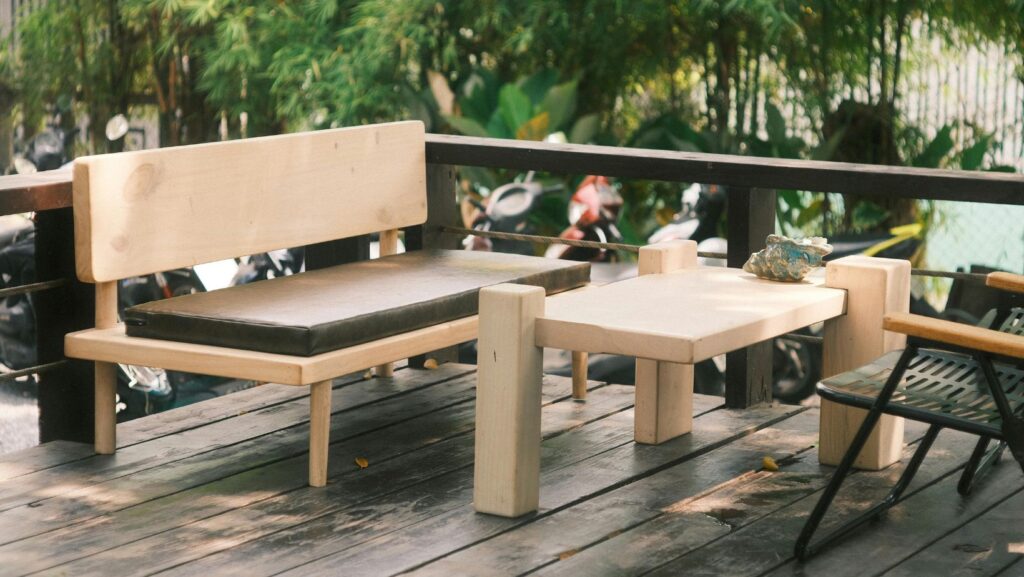
Built-in features can elevate a simple deck into a true outdoor living room. Built-in benches create permanent seating that does not need to be stored in winter. Integrated planters add life and color. A pergola provides structure for shade, lighting, or climbing plants. Built-in lighting — whether in-deck step lights, post cap lights, or string lights on an overhead structure — extends the usability of the space into the evening and creates ambience that no amount of portable lighting can replicate.
Working with a professional deck builder means more than hiring someone to assemble materials. A good builder brings design judgment, knowledge of materials and their long-term performance characteristics, familiarity with local building codes, and the craftsmanship to execute the plan with precision. They will identify potential issues before they become problems — a drainage concern, an underground utility line, a structural element of the house that affects the attachment point of the deck — and address them proactively.
The material selection conversation with your builder should be thorough and unhurried. Pressure-treated lumber has evolved significantly in recent years and, with proper sealing, can provide decades of service. Composite decking from premium manufacturers carries warranties of twenty-five years or more and requires essentially no maintenance beyond cleaning. Hardwood decking like Ipe or Cumaru is extraordinarily durable and beautiful but comes at a premium price. There is no universally correct answer — the right material depends on your budget, your maintenance preferences, and your aesthetic vision.
Budget conversations with your builder should be honest and comprehensive. Get an itemized estimate that distinguishes material costs from labor costs, includes permit fees, and specifies what happens if unexpected conditions — such as damaged ledger boards or structural issues discovered during construction — require additional work. Build a contingency of ten to fifteen percent into your budget for the unexpected. Deck projects, like most construction, occasionally encounter surprises.
During construction, resist the urge to micromanage while staying engaged as an informed client. Walk the site periodically, ask questions, and address concerns as they arise rather than waiting until the end of the project. A professional builder welcomes a communicative client and will keep you informed of progress. If something does not look right, say so promptly — it is always easier to address issues during construction than after the project is complete.
When the deck is finished and you have done your walkthrough and punch list review, take a moment to appreciate what you have created. A well-built deck, properly designed for your lifestyle and expertly constructed to last, is one of the home improvements that pays you back every single day — in morning coffees, summer dinners, and countless other moments of outdoor life that would not have been possible without it.